Hungary Tactical Hub · Divinity: Original Sin 2

Gameplay Mechanics that Power Stat Sculpt

Stat Sculpt focuses on Divinity: Original Sin 2, one of the deepest fantasy strategy games for PC and console. Its layered turn-based combat, dense stat systems, and granular character progression make it the perfect playground for RPG builds, stat optimization, and long-term character progression.

Designed for Hungary-based players who want analytical game guides, competitive tactics, and high-level tactical RPG gameplay insights.

Core Systems Snapshot

How Divinity: Original Sin 2 aligns with the Stat Sculpt concept.

Stat Depth
S+
Build Diversity
High
Tactical Complexity
Expert
Platform
PC / Console

Every decision—from attribute points to skill memorization and gear synergy—sculpts your stats into a precise tool that can either trivialize encounters or crumble under misplays. Stat Sculpt exists to keep you on the winning side of that equation.

Core Gameplay Mechanics

Core Gameplay Mechanics – Turn-Based Precision, Environmental Mayhem

Divinity: Original Sin 2 blends grid-based tactical RPG gameplay with reactive environments and stat-heavy decision-making. Every turn is a puzzle where action points, positioning, and status effects intersect with your build planning.

Turn-Based, Initiative-Driven Rounds

Combat unfolds in strictly ordered turns based on initiative, forcing you to sculpt builds that either burst first or survive long enough to counter-engage. High-Dexterity and initiative-boosting gear define tempo-focused builds.

  • Action Points (AP) dictate how many moves, skills, and interactions you can perform.
  • Positioning on height and flanking angles shapes both damage output and survivability.
  • Line-of-sight and environmental cover matter as much as raw stats.

Real-Time Environmental Interactions

Outside strict combat turns, you interact with a living, systemic world. Conversations, traps, surfaces, and stealth funnel into your combat readiness and resource economy.

  • Pre-positioning, pre-buffing, and surface manipulation before fights starts.
  • Environmental hazards—fire, poison, lightning, cursed surfaces—can be weaponized.
  • Utility skills like Teleportation and Cloak and Dagger convert map control into win conditions.
Why this fits Stat Sculpt: The game’s mechanics reward players who obsess over RPG builds, stat optimization, and forward planning—exactly the analytical playstyle Stat Sculpt is built for.

Stat Categories & Attributes

Stat Categories & Attributes – Sculpting the Perfect Profile

Stat Sculpt abstracts Divinity: Original Sin 2’s attribute model into six core fantasy RPG pillars: Strength, Intelligence, Dexterity, Vitality, Wisdom, and Luck. These categories make cross-build comparison easier and highlight how every point invested reshapes character progression and combat performance.

Strength
Physical Power

Influences melee damage, carry capacity, and knockdown potential. In Divinity: Original Sin 2 terms, this maps to Strength builds and Warfare scaling, enabling bruiser archetypes that crush armor bars quickly.
Intelligence
Arcane Scaling

Amplifies elemental and magical skills. Optimized Intelligence builds leverage strong AoE, crowd control, and surface manipulation, turning fights into controlled simulations rather than chaotic brawls.

Dexterity
Precision & Tempo

Boosts finesse, ranged accuracy, critical chance, and initiative. High-Dexterity builds excel at opening exchanges, sniping priority targets before they can act.

Vitality
Survival

Represents maximum health, armor sustain, and defensive thresholds. In our guides, we model Vitality as the buffer that lets experimental RPG builds survive high-difficulty encounters.

Wisdom
Control & Support

Aggregates memory, leadership, and resistance management. Wisdom-heavy characters unlock more skills, better party buffs, and higher resistances—key for Hungary players tackling long dungeon runs.

Luck
RNG Exploitation

Captures critical chance, item discovery, and random encounter edges. Luck-focused optimizations are showcased in our Tips & Guides for min-maxers who want to push leaderboards.

Dynamic Skill Trees

Dynamic Skill Trees – Branching Paths, Singular Identity

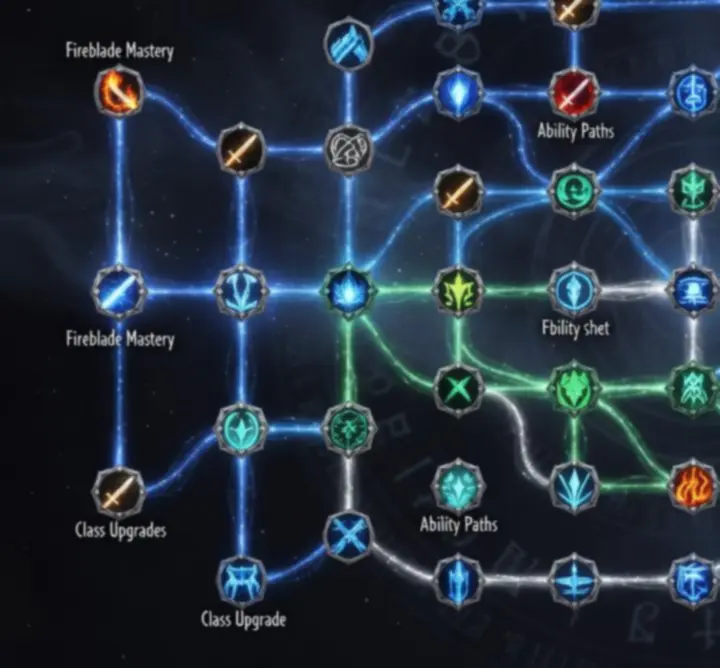
Divinity: Original Sin 2 doesn’t lock you into narrow class prisons. Instead, it offers interconnected ability schools—Warfare, Scoundrel, Pyrokinetic, Hydrosophist, Necromancer, and more—which Stat Sculpt visualizes as dynamic, branching skill trees.

Dynamic fantasy RPG skill tree interface with branching paths and glowing nodes

How Skill Trees Enable Deep Customization

  • Cross-school synergies – Combine Pyrokinetic surfaces with Aerotheurge stuns, or Necromancer lifesteal with Warfare burst.
  • Scaling by stat focus – Intellect builds scale elemental nukes, while Strength and Dexterity push physical burst.
  • Memorization limits – Memory slots gate how many skills you can equip, turning loadout choices into optimization puzzles.
  • Role definition – Skill selection cements you as burst DPS, control mage, hybrid support, or frontline bruiser.

Equipment & Itemization

Equipment & Itemization – Gear as a Stat-Sculpting Tool

Weapons, armor, accessories, and magical relics are more than simple upgrades—they are levers for stat optimization. The right combination can patch weaknesses, spike damage profiles, or unlock entirely new tactical lines.

Weapons

Melee, ranged, and spellcasting implements all scale differently with Strength, Dexterity, or Intelligence. Crit multipliers, elemental damage, and on-hit effects define whether a build leans into burst, attrition, or control.

  • Two-handers for raw Strength scaling and high crits.
  • Daggers for Dexterity and backstab abuse.
  • Staves and wands for Intelligence-oriented elemental builds.

Armor & Accessories

Armor defines your physical and magical mitigation thresholds, while rings, amulets, and belts tune resistances, initiative, and utility stats such as movement or AP recovery.

  • Armor choices decide whether you can withstand initial focus fire.
  • Accessories often carry the most impactful utility bonuses.
  • Set bonuses can radically change how you approach fights.

Magical Relics & Enchants

Late-game relics and enchantments introduce unique procs, surface interactions, and stat spikes. This is where min-maxed Hungary endgame builds diverge from casual setups.

  • On-kill AP refunds enabling chain eliminations.
  • Elemental conversion that flips resist checks.
  • Conditional bonuses tied to position, health, or status effects.

Progression Systems

Progression Systems – XP, Mastery, and Long-Term Growth

Stat Sculpt dissects Divinity: Original Sin 2’s layered character progression into predictable growth curves. From XP routes to stat leveling and mastery breakpoints, we model how each decision compounds over dozens of hours.

XP Grinding & Level Curves

Experience gains are tightly tuned; being under-leveled by even one level can be lethal. Our Hungary-focused routes highlight optimal quest chains and encounter orders to stay on curve without tedious grinding.

Stat Leveling & Breakpoints

Every level grants a finite pool of attribute and ability points. We identify key breakpoints—such as accuracy caps, resistance comfort zones, and damage thresholds—so your RPG builds always feel one step ahead of content.

Mastery Ranks & Talents

Ability investments and talent picks form a meta-layer of mastery. Talents like Lone Wolf or Glass Cannon fundamentally alter progression pacing and stat efficiency, enabling ultra-optimized or high-risk builds.

For a practical roadmap that connects these systems to real characters, explore the dedicated Stats & Progression page, then pair it with class-specific insights from Classes / Skills.

Combat System Overview

Combat System Overview – Tactical Grids, AP, and Status Warfare

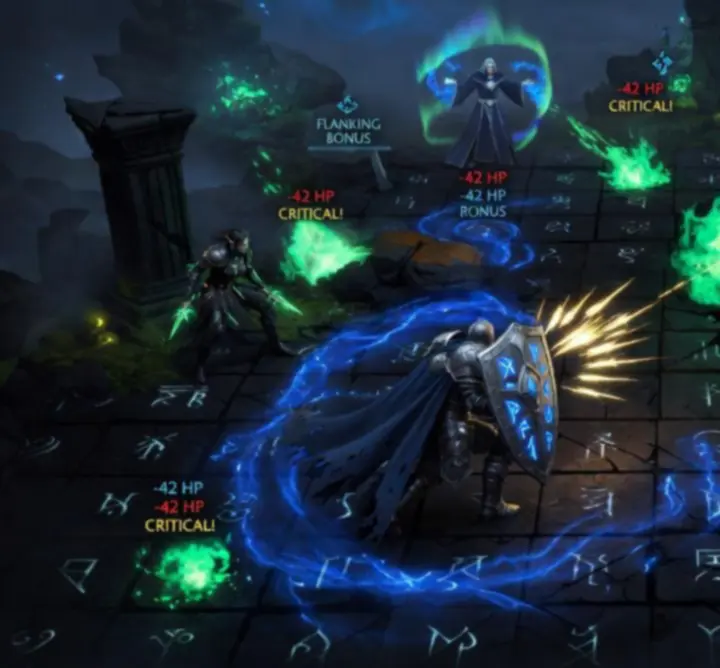
Divinity: Original Sin 2’s combat is a showcase of tactical RPG gameplay—a grid-like battlefield, a shared action point economy, and devastating status chains. Stat Sculpt translates these systems into clear, repeatable decision frameworks.

Tactical combat scene with fantasy characters on a grid using magic and weapons

Key Combat Layers

  • Action Points (AP) – Every move, attack, and skill costs AP. Strong builds compress more impact into fewer points via damage scaling and smart routing.
  • Armor & Status Effects – Physical and magical armor gates crowd control. Once broken, statuses such as Stun, Knockdown, and Frozen can lock enemies out of entire turns.
  • Environmental Hazards – Surfaces (fire, poison, blood, cursed variants) and height advantages can be weaponized to multiply your effective damage without additional stat investment.
  • Turn Order Control – Initiative management and AP banking let you engineer devastating turn cycles that swing encounters instantly.

Our Tips & Guides cover encounter-specific setups for Hungary’s favorite boss fights and arena maps, complete with AP-by-AP breakdowns.

Resource Management

Resource Management – Mana, Stamina, Cooldowns, and Consumables

While Divinity: Original Sin 2 doesn’t label resources as “mana” or “stamina” in a traditional sense, Stat Sculpt uses these terms to clarify how resource mechanics function under the hood—AP, cooldowns, and consumables together form the backbone of tactical pacing.

Mana – Magical Throughput

Represented functionally by AP and cooldowns for spells. High-Intelligence casters with strong AP generation and cooldown reduction effectively have larger “mana” pools, enabling sustained magical pressure.

Stamina – Physical Throughput

Physical abilities, movement, and repositioning all compete for AP. Builds that blend mobility with burst must carefully budget this “stamina” layer to avoid stranded turns.

Cooldowns & Consumables

Potions, scrolls, and grenades amplify your baseline build when key skills are on cooldown. Good players see consumables as part of their rotation, not emergency backups.

Synergy & Team Composition

Synergy & Team Composition – Sculpting Perfect Parties

Stat Sculpt treats party-building as a high-level optimization puzzle. The goal: align roles, stats, and skill trees so your four-person squad functions as a cohesive, stat-efficient machine.

Roles & Stat Focus

Burst DPS Control Tank Hybrid Support Surface Specialist

Each slot is tuned around a primary stat and responsibility. Strength and Dexterity dominate physical burst; Intelligence and Wisdom underpin control and support; Vitality ensures survivability across the board.

Synergy Principles

  • Unify damage types to shred a single armor pool efficiently, or diversify to adapt to variable resistances.
  • Chain crowd control so enemy turns are effectively deleted.
  • Layer buffs, debuffs, and surfaces to transform reasonable stats into overwhelming force.

Visit the Community page to see how Hungary’s top players assemble parties for different difficulty levels and mods.

Randomized Encounters & Scaling

Randomized Encounters & Scaling – Adapting to a Living Battlefield

While Divinity: Original Sin 2 uses handcrafted encounters, enemy composition, gear rolls, and initiative order introduce enough variability to feel semi-random in practice. Stat Sculpt focuses on resilience—builds that handle volatility gracefully.

Dynamic Encounter Balance

Enemy levels and armor values define encounter difficulty spikes. Being under-geared or misallocated in stats punishes even small mistakes, especially on higher difficulties popular with Hungary’s hardcore audience.

Scaling & AI Adaptation

AI prioritizes weak targets, punishes exposed positions, and abuses surface interactions. Our game guides highlight how to shape your builds so enemy logic plays into your hands instead of against you.

Character Customization

Character Customization – Visual Identity, Mechanical Precision

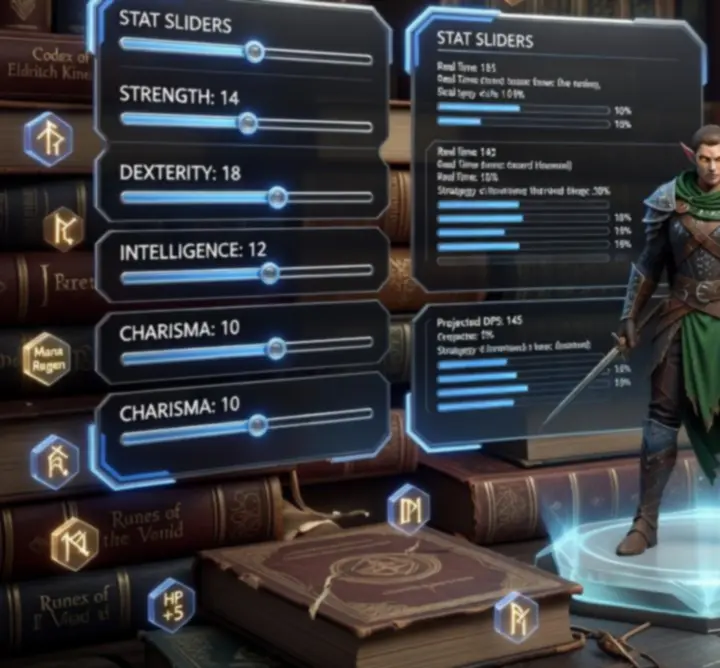
From appearance sliders to granular stat spreads, Divinity: Original Sin 2 lets you sculpt heroes that feel uniquely yours. Stat Sculpt connects cosmetic fantasy to mechanical reality so your knight, assassin, or battlemage plays exactly as they look.

Character customization panel showing fantasy hero appearance and stats

Customization Layers

  • Appearance – Race, origin, and visual design ground your fantasy identity.
  • Abilities & Skills – Early picks heavily influence how your stats should be allocated over time.
  • Talents & Tags – Narrative and mechanical perks that shape dialogue options and combat edges.
  • Stat Sculpting – Ongoing attribute allocation curates your power curve across the entire campaign.

For step-by-step archetypes—from elemental battlemage to stealth archer—explore our Character Builds page.

PvE & PvP Differences

PvE vs. PvP – Shifting Mechanics Across Modes

The same stats behave differently when facing scripted AI encounters versus human opponents. Stat Sculpt documents how you should reshape builds when moving from story-driven campaigns and dungeon raids into competitive arenas.

PvE – Campaigns & Dungeon Raids

  • Reliance on encounter knowledge and pre-planned openers.
  • Greedy character progression that targets late-game power spikes.
  • More tolerance for set-piece builds that exploit specific boss mechanics.

PvP – Competitive Arenas

  • Emphasis on flexible, low-telegraph skill rotations.
  • Defensive stat spreads and mobility options to survive focus fire.
  • Greater value on initiative, AP efficiency, and anti-control tools.

Meta Analysis: Stat Sculpt in Action

Meta Analysis – How Hardcore Players Exploit Advanced Stats

To showcase how all these mechanics interlock, Stat Sculpt features case studies drawn from high-difficulty play and competitive arenas popular among Hungary’s Divinity: Original Sin 2 community.

Case Study #1 – Armor Shred Tempo Build

A Strength/Warfare-focused bruiser paired with surface control casters. By stacking physical penetration, knockdowns, and initiative, this composition deletes enemy armor bars in one cycle, enabling perma-CC loops.

Outcome: Consistent wins against level-appropriate content with minimal consumable use and safe margin for mistakes.

Case Study #2 – Hybrid Control Battlemage

An Intelligence/Strength hybrid leveraging both elemental surfaces and melee finishers. Stat allocation carefully balances accuracy, resistances, and damage so the character can frontline while controlling the map.

Outcome: High flexibility in both PvE and casual PvP, ideal for players who enjoy complex rotations and adaptive tactics.

Case Study #3 – High-Risk Crit Exploiter

Dexterity-heavy archer with Glass Cannon and crit-focused gear. Fragile but devastating, this build relies on precise positioning, party protection, and encounter knowledge to end fights before enemies can react.

Outcome: Top-end damage potential for leaderboard pushes when piloted by experienced players comfortable with aggressive stat profiles.