Classes / Skills • Diablo IV • Hungary Focus

Heroic Class Lineup for Master-Level Stat Sculpting

This Stat Sculpt compendium dissects every Diablo IV class from an analytical, Hungary-competitive perspective. Compare class archetypes, unravel skill trees, and tune your stat spread for ruthless tactical RPG gameplay across PC and mobile platforms.

Classes Covered
5+ archetypes
Build Profiles
30+ guides
Target Region
Hungary (EN)
Lineup of fantasy RPG classes standing in formation: warriors, mages, rogues, and hybrids ready for battle.
Heroic lineup: Barbarian, Sorcerer, Rogue, Druid, and Necromancer – each with unique stat optimization profiles for Diablo IV.
Fan / guide hub only. Stat Sculpt is an independent strategy and build resource for Diablo IV players in Hungary. We do not sell, redistribute, or provide illegal downloads of the game.

Class Archetypes Explained

Diablo IV embodies classic fantasy archetypes while layering modern stat systems that perfectly fit the Stat Sculpt vision: min-max friendly, data-rich, and tactically flexible for competitive RPG builds.

Core Archetypes in Diablo IV

Understand the fantasy role and stat identity of each main class to anchor your build planning.

Frontline / Tank Burst & Sustain DPS Control & Utility
  • Barbarian – Martial Vanguard
    Heavy melee bruiser with high Armor and Life scaling. Specializes in Strength-driven damage, Fortify uptime, and Fury management. Ideal for players who enjoy stat-dense, close-quarters combat and damage mitigation puzzles.
  • Sorcerer – Arcane Artillery
    Long-range spellcaster leveraging Intelligence, Critical Strike Chance, and Vulnerable uptime. Glass-cannon profile that demands precise defensive stat allocation and positioning for tactical RPG gameplay.
  • Rogue – Precision Assassin
    Hybrid ranged/melee DPS with Dexterity, Critical Damage, and resource efficiency at its core. Thrives on granular build tuning: damage over time vs burst, melee vs ranged, trap vs mobility-focused configurations.
  • Druid – Shapeshifting Strategist
    Flexible hybrid archetype that mixes Earth, Storm, and shapeshift forms. Balances Willpower, Spirit generation, and defensive stats to create multi-layered, adaptive RPG builds.
  • Necromancer – Battlefield Controller
    Master of minions, curses, and Bone/Shadow spells. Complex relationship between Intelligence, Minion survivability, and resource management, rewarding meticulous stat optimization.

Class Spotlights: Deep Dive

Each Diablo IV class is a stat puzzle. Below are high-level overviews of how Stat Sculpt approaches skill trees, stat weights, and progression paths for competitive modes popular in Hungary.

Barbarian – Armor-Stacking Apex

Multi-weapon mastery, high mitigation, and relentless melee pressure.

Skill Tree Focus: Shouts, Bleed, and Key Passives that convert Fury into scalable mitigation and damage. Stat Sculpt configurations emphasize consistent Fortify uptime for polished tactical RPG gameplay.

  • Primary stats: Strength, Armor, Maximum Life
  • Secondary stats: Damage Reduction, Bleeding Damage, Cooldown Reduction
  • Playstyle: Forward momentum, pack clustering, and elite brawling with layered mitigation.
Sorcerer – Critical Spell Architect

High-risk, high-reward damage with intricate defensive stat demands.

Skill Tree Focus: Elemental synergies (Fire, Frost, Lightning) and Enchantment slots. Stat Sculpt spotlights builds that balance raw DPS with layered barriers and crowd control.

  • Primary stats: Intelligence, Critical Strike Chance, Core Skill Damage
  • Secondary stats: Damage to Crowd-Controlled, Mana Cost Reduction, Damage Reduction from Distant
  • Playstyle: Positioning-heavy artillery that rewards precise resource and cooldown planning.

Rogue – Momentum Min-Maxer

Unmatched mobility, burst windows, and debuff layering.

Skill Tree Focus: Combo Points, Imbuements, and Trap synergy. Stat Sculpt guides favor builds that finely tune crit scaling, Vulnerable uptime, and resource loops.

  • Primary stats: Dexterity, Critical Strike Damage, Vulnerable Damage
  • Secondary stats: Movement Speed, Energy Regeneration, Damage vs Close/Distant
  • Playstyle: Hit-and-run precision, controlled risk, and surgical target elimination.
Hungary-focused balance insights. Meta builds and stat priorities on Stat Sculpt factor in latency, platform choice (PC vs console), and popular regional content types, from high-tier dungeons to structured PvP.

Visualizing Skill Trees

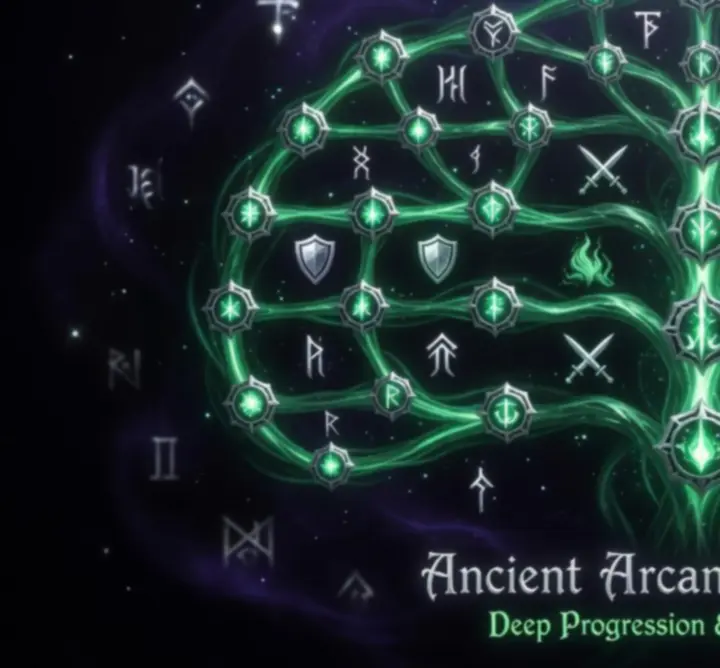
Diablo IV skill trees are layered, branching stat frameworks. Stat Sculpt renders these trees as readable, interactive paths that highlight how each decision impacts stat optimization and character progression.

  • Branch highlights: We emphasize keystone passives, synergy clusters, and mandatory defensive picks for hardcore play.
  • Role tagging: Each node path is tagged by role (DPS, tank, control) for instantly readable fantasy strategy planning.
  • Hungary-ready presets: Sample trees are tuned for lag-safe combos and controller-friendly inputs common in local communities.
Open skill tree guides
Emerald-hued fantasy RPG skill tree with branching paths and glowing stat nodes.
Emerald skill tree visualization: ideal for comparing defensive and offensive branches in a single stat-focused view.

Stat Allocation Strategies by Class

Effective Diablo IV RPG builds hinge on disciplined stat allocation. Below is a high-level framework Stat Sculpt uses to shape Hungary-competitive character progression plans.

Primary vs Secondary Stat Roles

Understand what to hard-cap, soft-cap, and flex around.

  • Primary stats (Strength, Dexterity, Intelligence, Willpower) directly scale core class performance. For most builds, these form the baseline for every gear and paragon decision.
  • Secondary stats such as Critical Strike Chance, Cooldown Reduction, and Damage Reduction from Close/Distant define your gameplay feel and survivability windows.
  • Threshold stats like Resistances or Maximum Life often have target ranges for Hungary's endgame content tiers; going far beyond those values yields diminishing returns.

Class-Specific Stat Priorities

Blueprints for fast, analytical decision-making.

Barbarian
STR > Armor > Life
Sorcerer
INT > Crit > DR
Rogue
DEX > CritDmg > Vuln
Druid
WILL > Spirit > Armor
Necromancer
INT > Essence > Minion

Detailed numeric breakpoints, damage formulas, and defensive caps are covered extensively in the Stats & Progression and Gameplay & Mechanics sections.

Adapt your stat plan to content. Pushing high-tier dungeons, racing seasonal ladders, or dueling in structured PvP each demands a different balance of offense, defense, and utility stats. Stat Sculpt highlights these shifts per build so Hungary players can swap configurations efficiently.
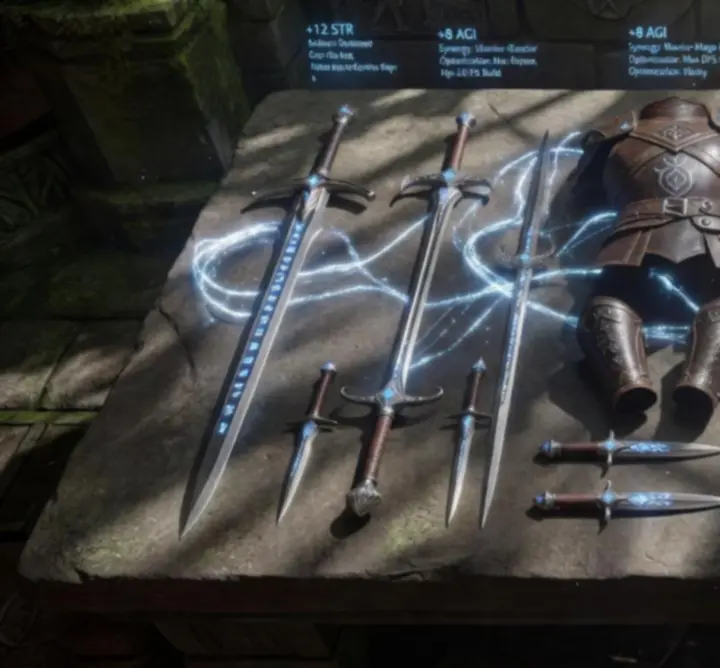
Fantasy RPG weapons and armor arranged on a glowing stat-engraved table.
Weapons, armor, and trinkets: each gear slot shifts your stat profile and class performance curve.

Equipment Synergy for Every Class

Stat Sculpt treats gear as an extension of your skill tree. Diablo IV's legendary affixes, Aspects, and unique items introduce complex multipliers that can redefine your role in a group or solo run.

  • Barbarian: Weapon Expertise and multi-weapon setups help you stack conditional damage bonuses, enabling specialized dungeon or boss loadouts.
  • Sorcerer: Aspect synergies on wands, focuses, and armor pieces can rewire resource loops, making high-cost skills sustainable for extended encounters.
  • Rogue: Dual-wielding and bows interact heavily with Critical Strike and Vulnerable stats, demanding precise affix targeting for competitive play.
  • Druid: Form-specific affixes change the value of defensive vs offensive armor stats, particularly in hybrid caster-melee builds.
  • Necromancer: Minion-focused gear competes with personal DPS affixes, creating a strategic trade-off between commander and caster archetypes.
See gear & stat progression

Competitive Class Builds for Tactical RPG Gameplay

For Hungary's players who push seasonal ladders and high-tier dungeons, Stat Sculpt curates community-vetted Diablo IV builds with transparent stat reasoning and execution tips.

Bleeding Vanguard Barbarian

Endgame dungeon specialist with elite control.

  • Core idea: Stack Bleed, Fortify, and Armor to blaze through dense packs with stable survivability.
  • Key stats: Strength, Bleeding Damage, Damage Reduction while Fortified.
  • Best for: Group dungeon pushes and boss rushing with predictable incoming damage patterns.

Frozen Control Sorcerer

Crowd-control heavy build for safe, methodical clears.

  • Core idea: Chain Freeze and Chill effects while scaling Critical Strike and Damage to Crowd-Controlled enemies.
  • Key stats: Intelligence, Crit Chance, Damage vs Frozen.
  • Best for: Hardcore progression, duo runs, and latency-sensitive play common in regional servers.

Shadowtrap Rogue

Zone-control specialist with deadly burst windows.

  • Core idea: Set trap zones, apply Vulnerable and DoT, then detonate with high-burst skills.
  • Key stats: Dexterity, Trap Damage, Vulnerable Damage, Movement Speed.
  • Best for: Small-scale PvP scenarios and coordinated dungeon pulls.

Each featured build includes full stat tables, paragon board snapshots, and rotation breakdowns. Start from a template, then sculpt it to your own playstyle.

Explore all builds

Class Evolution & Progression

Diablo IV's progression systems – levels, skill points, paragon boards, and seasonal mechanics – allow each class to evolve into highly specialized roles. Stat Sculpt maps this evolution from level 1 to high-end seasonal play.

  • Leveling phase: Safer, resource-stable builds with forgiving defensive buffers for new and returning Hungary players.
  • Early endgame: Transition plans that gradually reallocate stats, respec skill points, and swap gear to match growing difficulty.
  • Paragon & late game: Fine-grained stat sculpting through board choices, glyph leveling, and targeted gear farming.

You will find recommended progression milestones, stat benchmarks, and respec checkpoints in our dedicated Stats & Progression and Tips & Guides sections.

Sample Class Evolution Timeline

  1. Levels 1–25: Focus on core skill unlocks, basic survivability stats, and intuitive rotations.
  2. Levels 26–50: Introduce specialized damage stats, refine defensive layers, and prepare for key endgame systems.
  3. Paragon 1–50: Lock in role identity (tank, burst, control) and commit to one or two top-performing builds.
  4. Late Paragon: Micro-optimizations: critical breakpoints, cooldown caps, and content-specific gear swaps.

Why Stat Sculpt Rewards Mastery

Diablo IV and Stat Sculpt are a natural match: a deep fantasy strategy game combined with analytical tools that celebrate long-term mastery and experimental RPG builds.

  • Data-driven class insights: We break down stat interactions, damage formulas, and defensive layering so you can make informed, tactical decisions rather than guessing.
  • Cross-platform awareness: Guides are tuned for both PC and console players in Hungary, acknowledging input differences and UI constraints.
  • Seasonal adaptability: Balance shifts are tracked quickly, with updated class rankings, stat priorities, and alternative builds.
  • Community validation: Competitive players contribute logs, clear times, and gameplay footage that back up our theorycrafting.

For tacticians and RPG build enthusiasts, Diablo IV offers nearly endless class permutations – and Stat Sculpt provides the structure, clarity, and tools to turn that complexity into satisfying strategic depth.